Who Builds One-Off Aerospace Parts and Prototypes in Aluminum
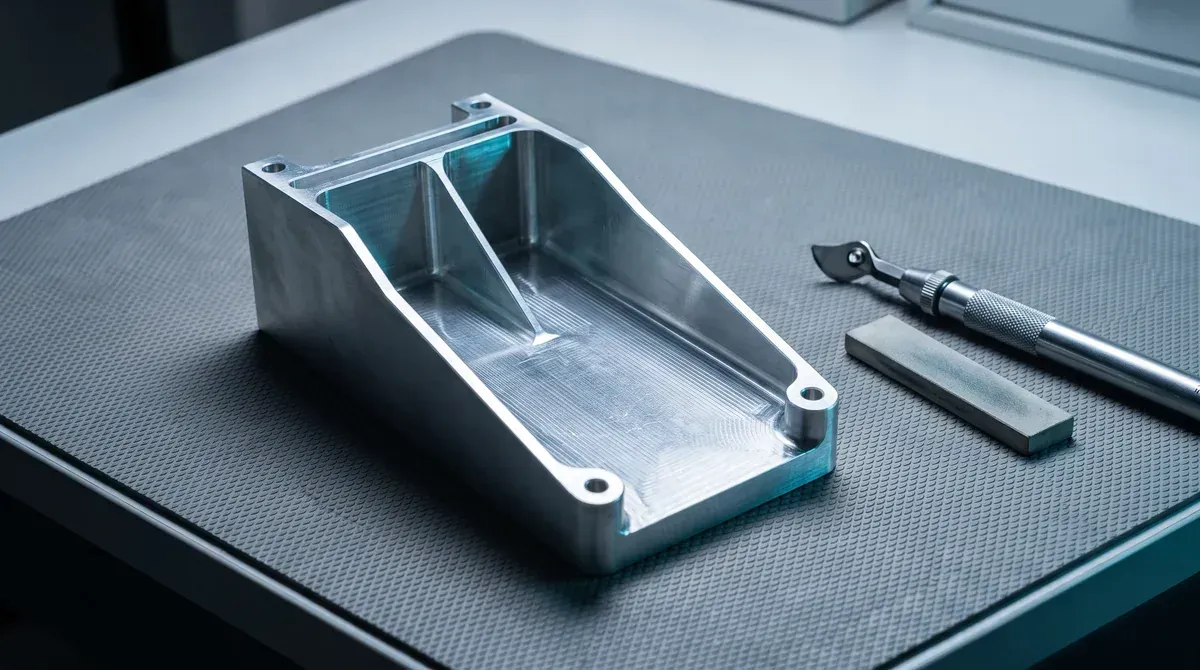
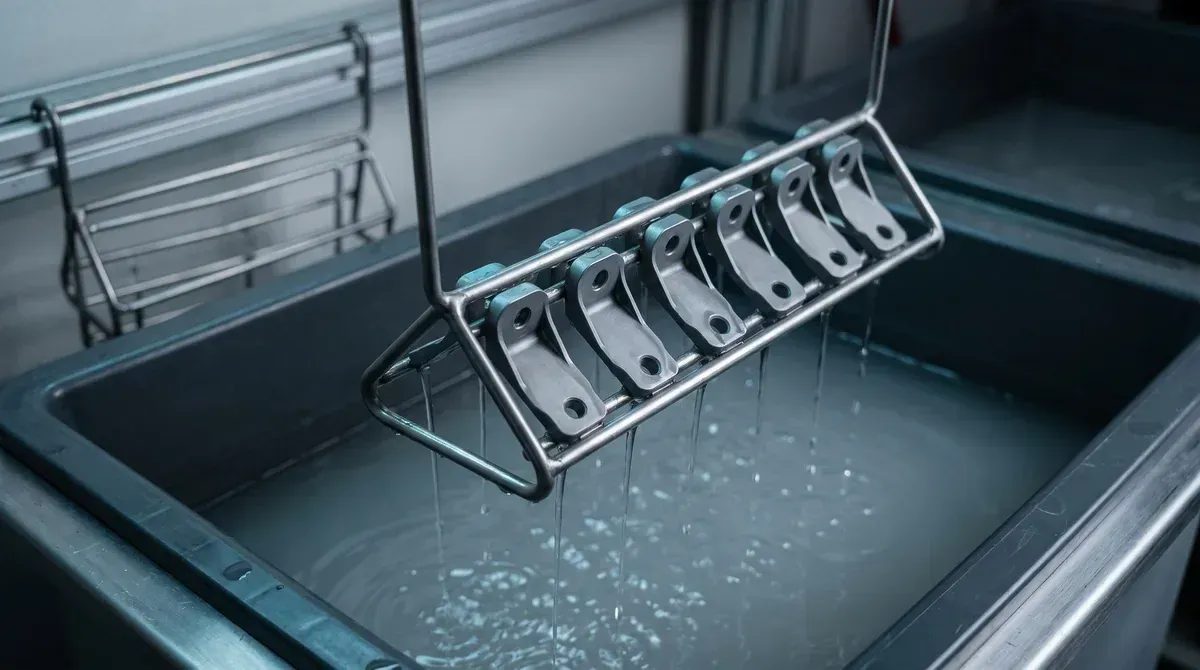
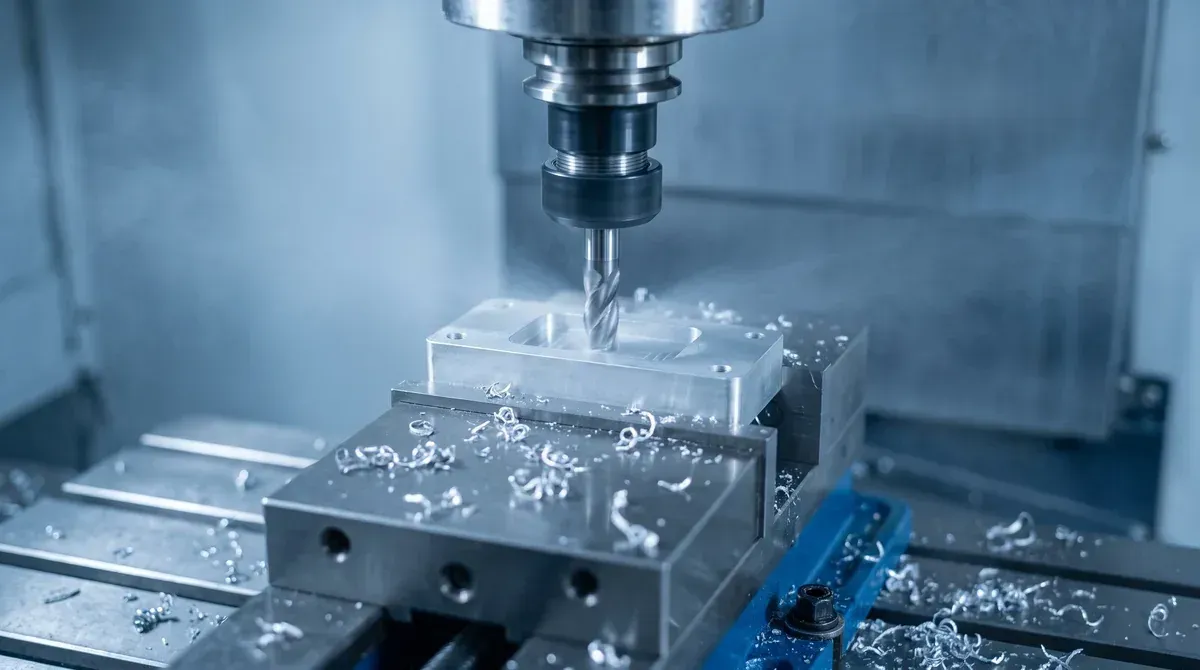
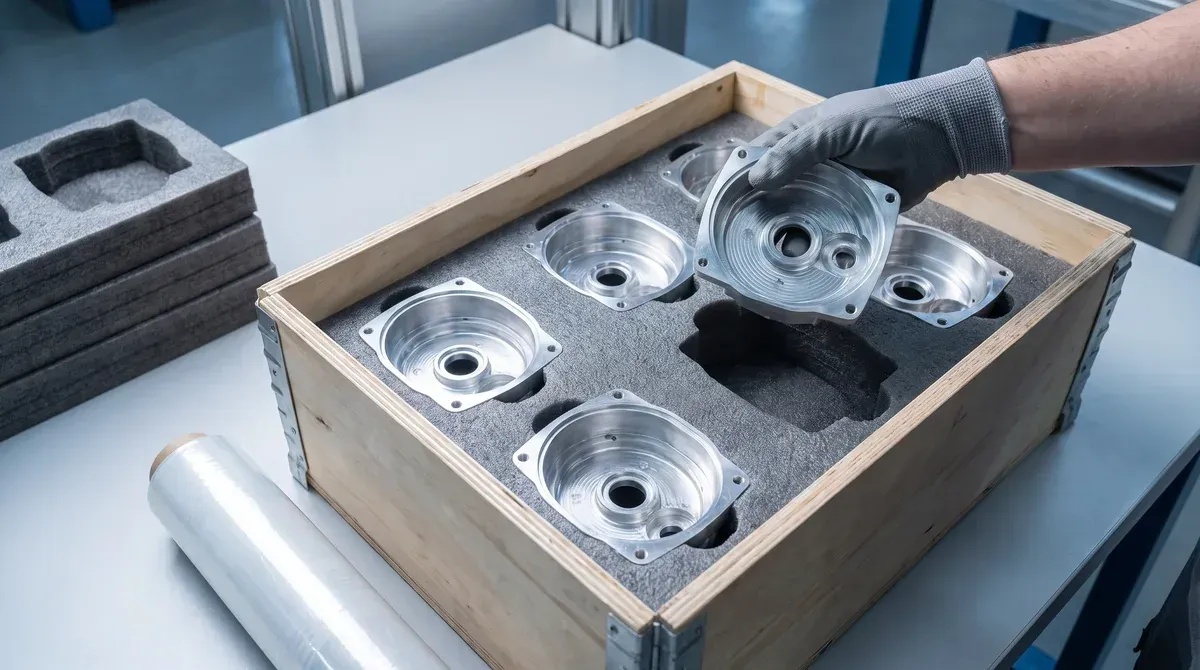
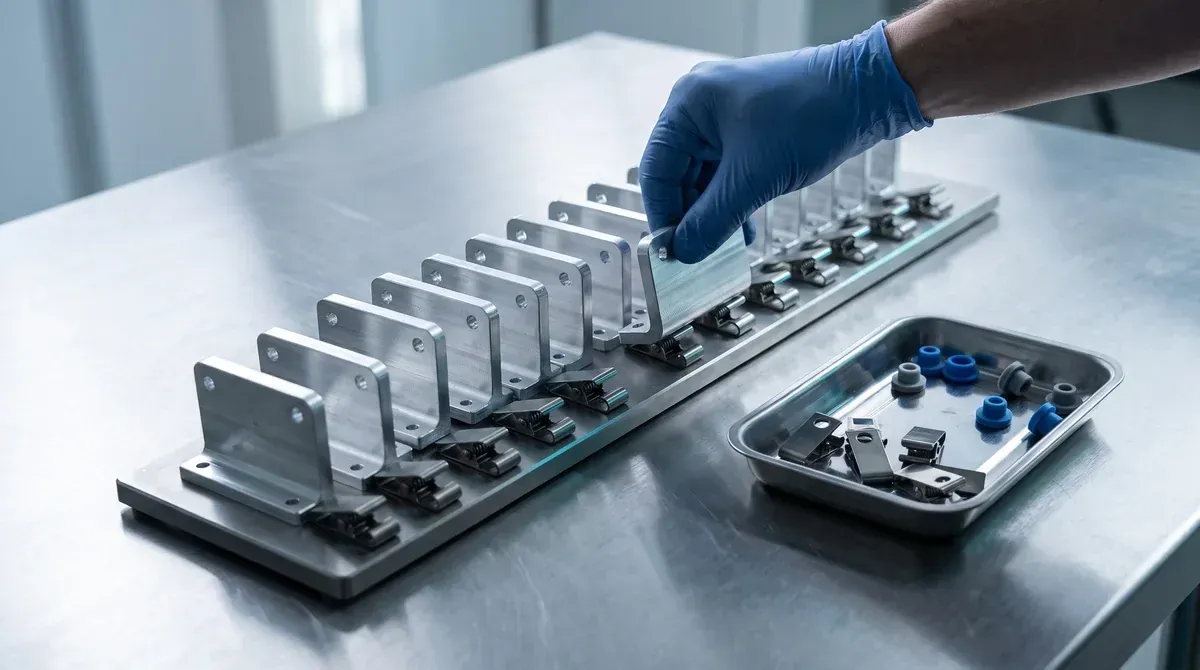
Standard Machine and Manufacturing, a CNC machine shop in Greenville, Kentucky, builds one-off and low-quantity aerospace parts and prototypes in aluminum, and anodizes them in the same facility. Standard takes on the hard parts on purpose: deep pockets, thin walls, features that are hard to reach. Its machinists talk with the customer's engineer about how the part will be made before it is quoted, and complex work gets a risk review before a price goes back.
That conversation is the difference. A complex part sent out for quotes tends to get one of two answers. Some shops no-quote it. Others quote it to print without a word about how it could be made better, and the engineer finds out what was hard about the design when the first part shows up late or wrong.
Engineers on both sides of the drawing describe the same gap. Machinists talk about parts that are "not manufactureable to the print" and about struggling with customers over what's on the drawing versus what they intended. Engineers say a quote is a commitment to make the part, so a shop that sees a problem should say so. And one line from an engineering forum sums it up: the quicker a question on a print is addressed, the better.
Our
aerospace precision machining is built around that early question. One-off and prototype work is one end of how Standard runs. It goes to a machinist with deep experience, and it is treated as the opposite of production, not a small version of it.
Have a part other shops passed on?
Start your RFQ.
What the Conversation Covers Before the Quote
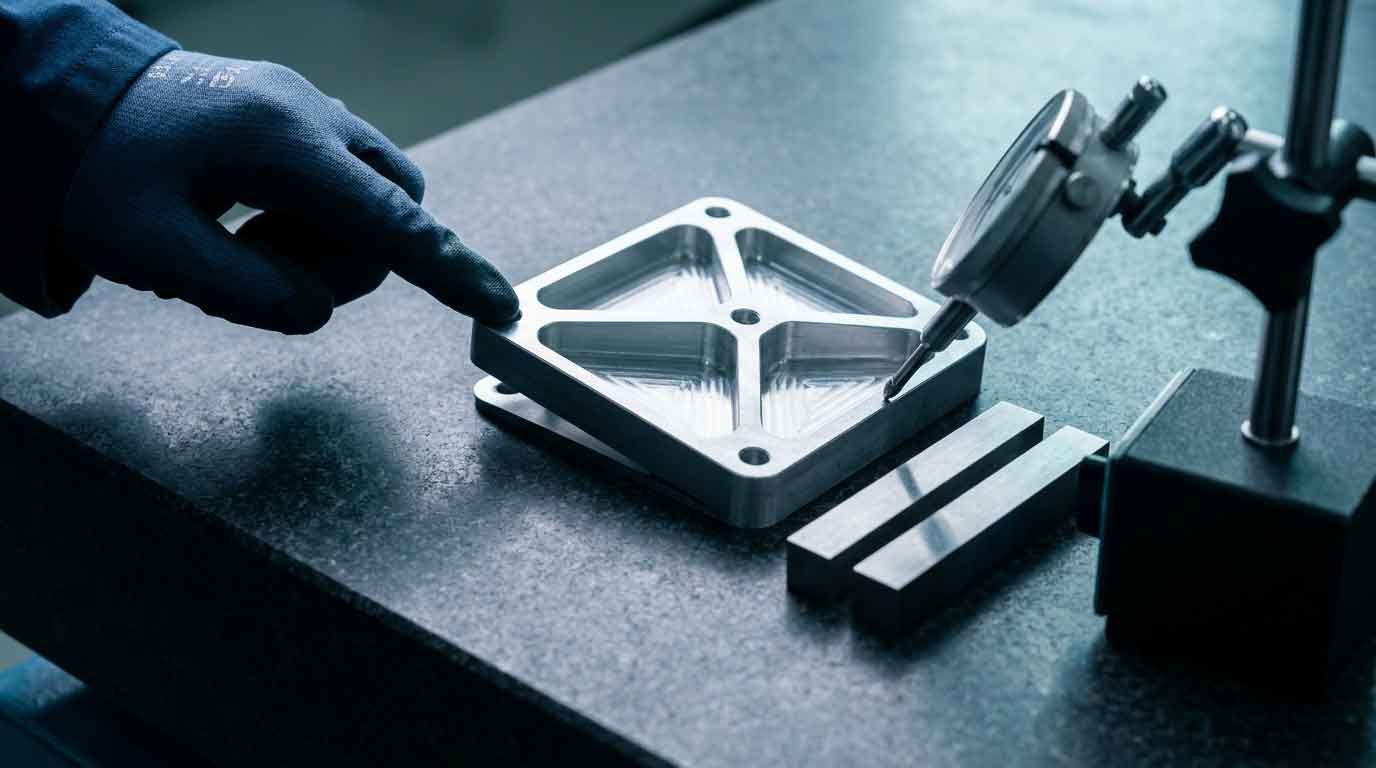
The engineer is asked which tolerances are functional before the part is cut. That one question changes a lot. A tolerance that matters gets held. A tolerance that came from a title block default gets a conversation, because it might be costing time on a feature nobody needs that tight.
The feedback comes before the quote, not after the first part. On a hard aluminum part it usually covers a short list:
- Workholding. A flat or a tab that lets the part be held without distorting it, removed at the end if the design needs it gone. Holding a thin part without bending it matters, for the reasons in
why aluminum parts move after machining.
- Tool reach. How deep a pocket runs against how far a tool can reach without chatter, and whether a corner can open up to let a stiffer tool in.
- Corner radii. Internal corners sized to a real cutter, not drawn sharp.
- Edges. An eased-edges note on the drawing in place of tiny fillets modeled on every edge.
None of it changes what the part does. Done well, it can make the part lighter and easier to machine, which on a flight part is a good trade.
Our machining work runs on the same habit for every complex job: ask before cutting, not after scrapping.
One Plate, Two Directions
Aluminum plate carries stress from how it was made. Research from Oak Ridge National Laboratory found that the residual stress in the plate alone can distort a thin, high-aspect part beyond aerospace limits, and that parts cut from different spots in the same plate can move in opposite directions.
On a production run, a shop learns how a part moves and adjusts. On a one-off, there is no second try. So thin-walled parts get planned for it from the start: walls are roughed and finished in steps rather than cut to full depth and skimmed, which keeps the part stiff while the most material comes off. Thin walls are common in aerospace parts, and vibration and deflection are the main reasons they fight back.
The Prototype Does Not Count Toward the First Article
This catches people. The aerospace first article standard, AS9102, excludes prototype parts that are not part of the first production run. Primes call for the first article on product representative of the first production run. A prototype that proves the design still needs a production-representative first article later.
So the smart move is to build the one-off the way production will run it, coating included. If the prototype is machined one way and finished somewhere else, and production does it differently, the first article is the first time the real route has ever been tried.
Machine-To Is a Number Someone Has to Own
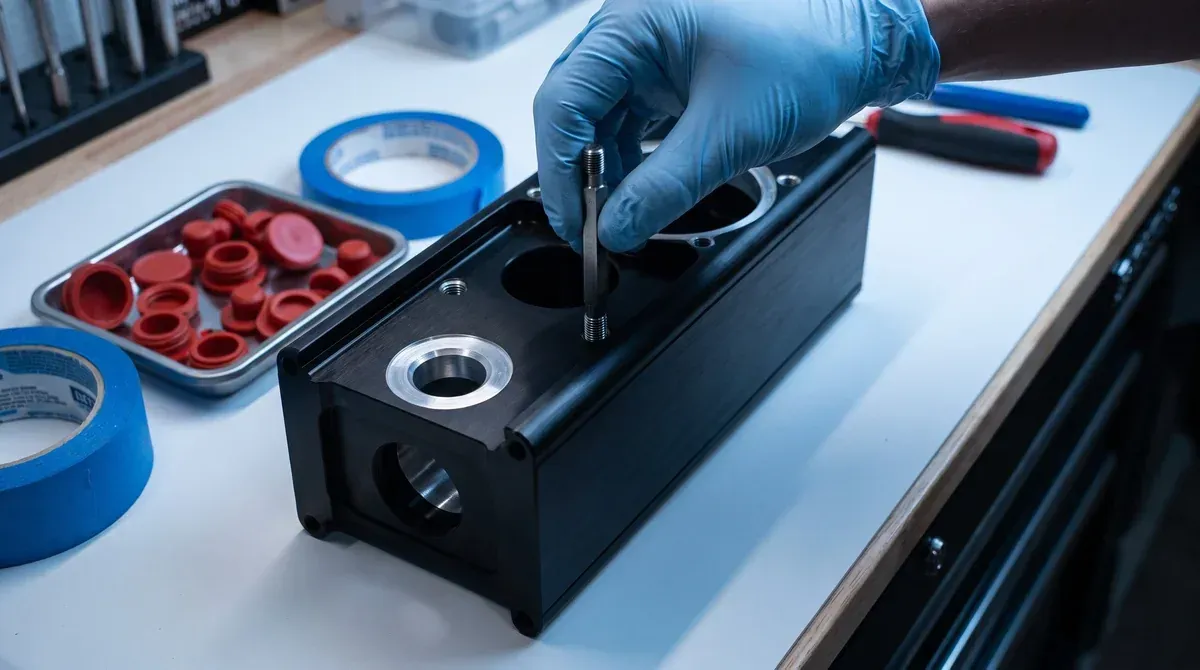
A coating applied after machining can defeat a tight tolerance and force test pieces, and test pieces are expensive when the run is one part. NASA's anodizing process specification asks for both the final and the machine-to dimensions on a hardcoat drawing, and for radiused rather than chamfered corners so the coating builds evenly.
When the drawing gives only finished dimensions, someone still has to decide the machine-to size. On a part that will be hardcoated, we propose the machine-to dimensions and the edge radii to the engineer before the first cut. Because we anodize in the same facility, the shop that picks the number is the shop that has to live with it.
The Straight Answer
Will a shop that takes hard one-off parts make any part on the drawing?
No, and it shouldn't promise to. Some features cannot be made as drawn, and some can only be made at a cost the design does not need. What a good shop does is say so before the quote, explain why, and offer a version of the feature it can hold. A shop that quotes the impossible without a word has only moved the problem to the day the parts are due.
Questions Engineers Ask About One-Off Aerospace Parts
Does a Prototype Part Need a First Article Inspection?
Not under AS9102, which excludes prototypes that are not part of the first production run. The first article comes later, on parts representative of production. Building the prototype the way production will run makes that first article far less likely to turn up surprises.
Should the Machine Shop Suggest Design Changes?
On complex parts, yes, before the quote and with the engineer's agreement. Suggestions should keep the part's function and change how it is made: workholding, corner radii, tool reach, edge breaks. The engineer decides; the shop explains what each change buys.
Getting a Hard Part Made Right the First Time
Send the model and the drawing together, and say which tolerances carry the function. Tell the shop whether the part will be coated and whether more will follow. Then expect questions back. A shop that asks good ones before quoting a hard part is a shop that has made hard parts before.
How Standard Machine and Manufacturing Can Help
Standard Machine and Manufacturing builds one-off and prototype aerospace parts in aluminum, with a risk review on complex work and anodizing in the same Greenville, Kentucky facility. Start a project with us by
starting your RFQ or
reaching out directly. Call us at 270.377.7172.