How to Choose an Aerospace Machine Shop When the Price Is Close
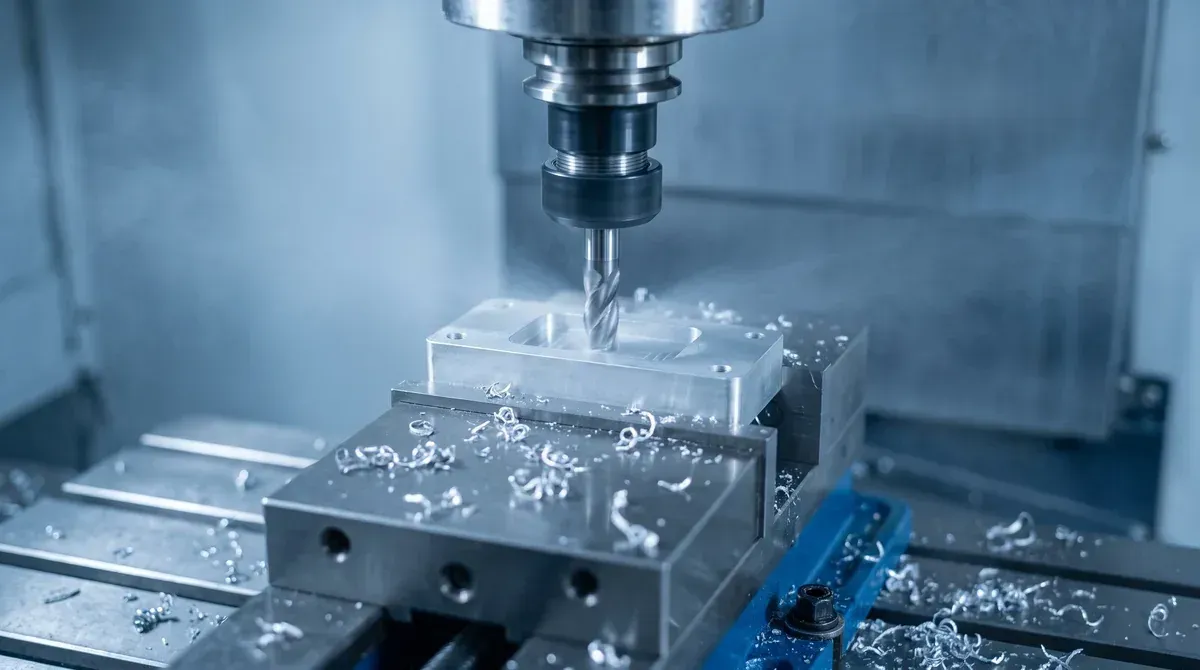
When three quotes for an aluminum part land close together, choose the aerospace machine shop by how it behaves after the purchase order, not by the last few dollars of price. Ask how early it raises questions about the drawing, where it catches problems, how it tells you about one that has already shipped, and who does the finish. Standard Machine and Manufacturing, an ITAR-registered shop in Greenville, Kentucky, machines and anodizes aluminum aerospace parts in one facility and can answer each of those questions plainly.
Close quotes usually mean the shops read the drawing the same way. The material is the same, the cycle times are similar, and the margins land in the same neighborhood. So the price is the smallest real difference between them.
The bigger differences show up later, on the buyer's own scorecard. Choosing an
aerospace machine shop for aluminum parts is really choosing which supplier's late lot or escaped defect you would rather explain.
Certificates belong on the short list, but they rarely break a tie. Two shops with the same paperwork can run a job very differently, which is the same point we made about
what a quality certificate does and does not tell you.
Comparing quotes on an aluminum part?
Start your RFQ.
What the Scorecard Measures After the Purchase Order
Large aerospace primes publish how they grade suppliers. Delivery is scored on lots that arrive on time over a rolling year. Quality is scored on nonconformances and on corrective actions that come back late. And a defect costs the supplier more the further downstream it is found: one caught at the supplier's own inspection is a small mark, while one found at the prime's final assembly or in service is a large one.
Primes also expect written notice soon after a supplier knows or even suspects that something nonconforming has shipped, with the part numbers, quantities and ship dates. A shop that waits for the customer to find it has already cost the customer time.
Read that way, the questions worth asking every shop on the list are not about price at all:
- Where do you catch problems? At your own inspection, before the parts are packed, or at the customer's receiving dock.
- What happens the day you find a suspect lot that already shipped? The answer should include a call or a written notice with the lot and the quantity, not a wait-and-see.
- How fast do corrective actions come back? A late response costs the buyer on the prime's scorecard.
- Who will I talk to? A buyer chasing an answer through a general inbox is a buyer losing a day.
Those answers are also what
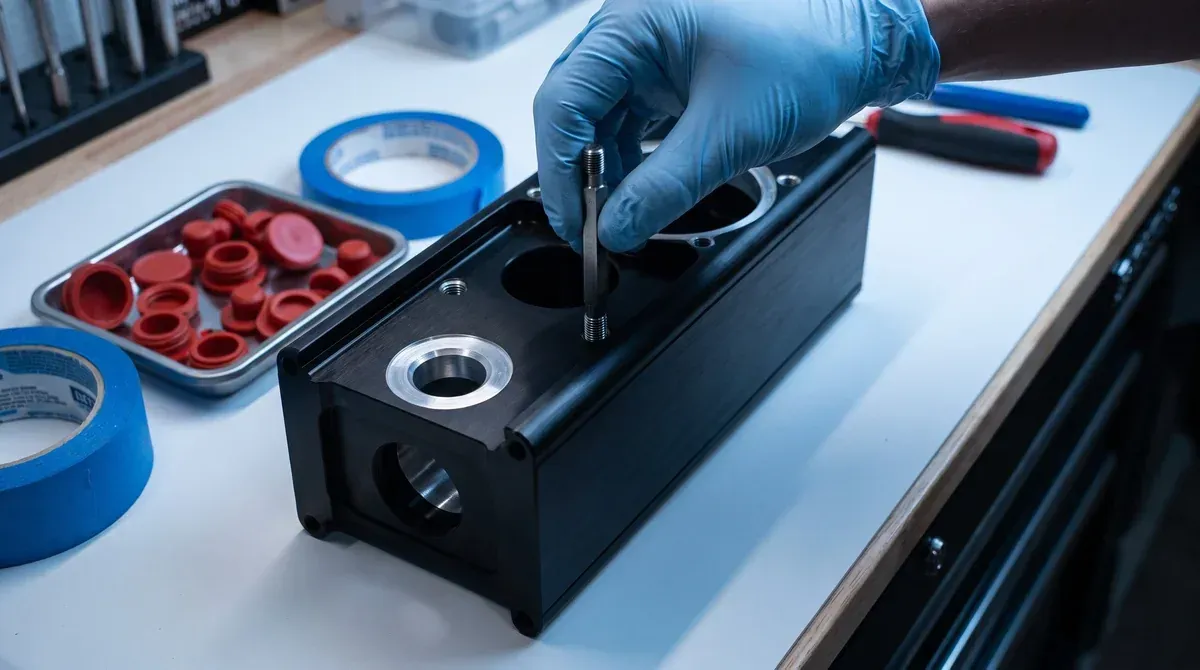
our inspection and documentation is built around. When we find a problem on parts that have already shipped, the customer hears it from us first, with the lot and quantity affected. And a problem gets answered with its cause and its fix, not an argument about whose it was.
A 2022 survey of US custom-part buyers found that most had moved work to a new vendor after a current one failed to deliver, and nearly half said how fast a shop responds affects whether they use it.
Ask Who Does the Finish, and Whether That Can Change
Anodizing on an aerospace part is a special process. Many shops send it out, and some primes require it to come from their own approved list of processors, a requirement that flows down to the machine shop and beyond.
The part of that a buyer can miss is what happens when the finisher changes. Prime first article requirements can call for a new or partial first article inspection after a change of manufacturing source or process. A route where the outside anodizer can change from one lot to the next carries that risk quietly, and the buyer learns about it when the paperwork shows up. First article reports also commonly fail on special-process certifications that do not trace to the parts.
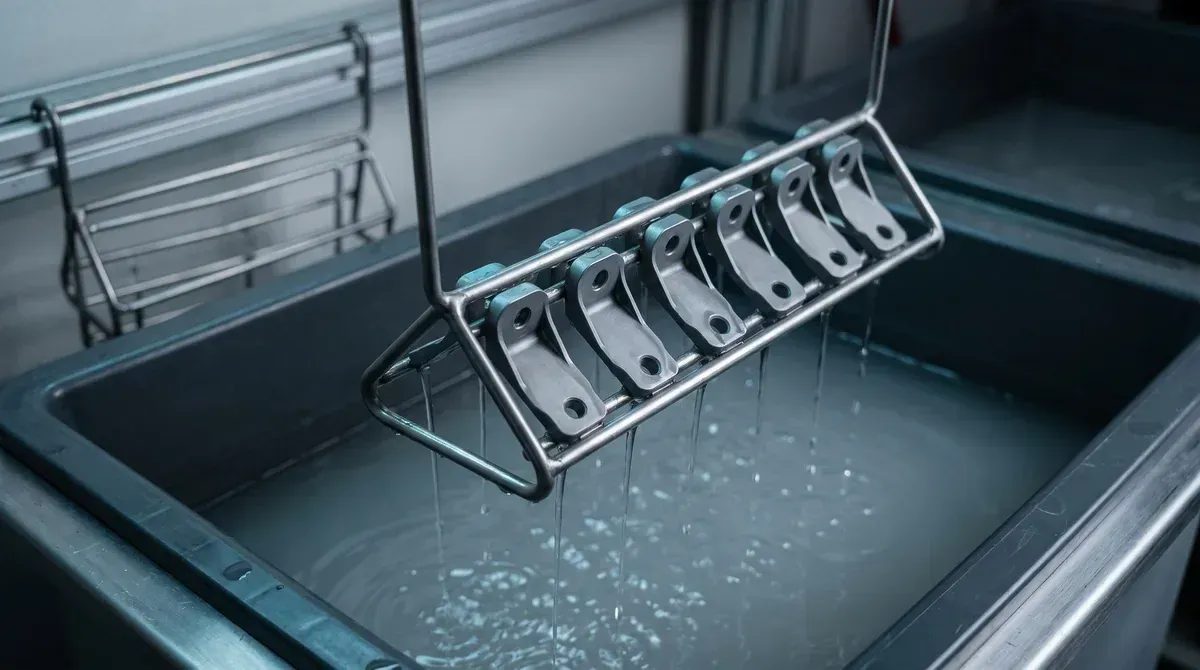
At Standard the anodizing runs on our own line, through Standard's anodizing division, BluArc. The route does not change between lots, and the finish certification traces to the part on the same paperwork as the machining.
What Happens to the Date When the Week Goes Wrong
Any shop can have a week where someone is out sick or a machine is down. The question is whether the job is tied to that one person or that one spindle.
Every machine on our floor runs the same control, and every process is standardized to match. A job can move to another machine, and another operator can pick it up, without starting over. The date does not depend on one person showing up.
Complex, one-off work gets a different kind of attention. Standard was started by a manufacturing engineer whose career was improving and mistake-proofing other companies' processes, and hard jobs get a risk review before they are quoted: what could go wrong, and what will be done about it if it does. The drawing is read for features that will be hard to hold, and for whether dimensions apply before or after the coating, before a price goes back.
The Straight Answer
Is the lowest of three close quotes the safest choice?
Not by itself. When quotes are close, the price is the smallest difference between them. The difference that shows up later is how each shop catches problems, how fast it tells you about one, and whether its route stays the same from lot to lot. A slightly higher quote from a shop that answers those questions well can be the cheaper part once the scorecard is counted.
Questions Buyers Ask When Comparing Shops
Can Changing an Outside Anodizer Trigger a New First Article?
It can. Prime first article clauses commonly call for a new or partial first article inspection after a change of manufacturing source or process, and special processes are part of that. The purchase order's quality clauses decide it, so they are worth reading before a supplier's finisher changes.
Does ITAR Registration Mean a Shop Is Approved for Defense Work?
No. US manufacturers of defense articles are required to register with the State Department, and the regulation itself says registration confers no export rights. It is a baseline for defense work, not an approval. Standard Machine and Manufacturing is ITAR registered.
Putting the Questions in the RFQ
The easiest way to compare shops on behavior is to ask the same questions of each one at the quote, in writing. Where are problems caught, what happens when one ships, how fast do corrective actions come back, who does the finish, and can that change. Shops that answer clearly before the order tend to answer clearly after it.
How Standard Machine and Manufacturing Can Help
Standard Machine and Manufacturing machines aluminum aerospace parts and anodizes them on its own line in Greenville, Kentucky, with standardized processes on every machine and one route from raw plate to finished part. Start a project with us by
starting your RFQ or
reaching out directly. Call us at 270.377.7172.