When Machining and Anodizing Are Split Between Two Vendors, Who Owns the Bad Part?
By Standard Machine and Manufacturing • 19 October 2026
What Goes Wrong When Machining and Anodizing Are Split Between Two Vendors
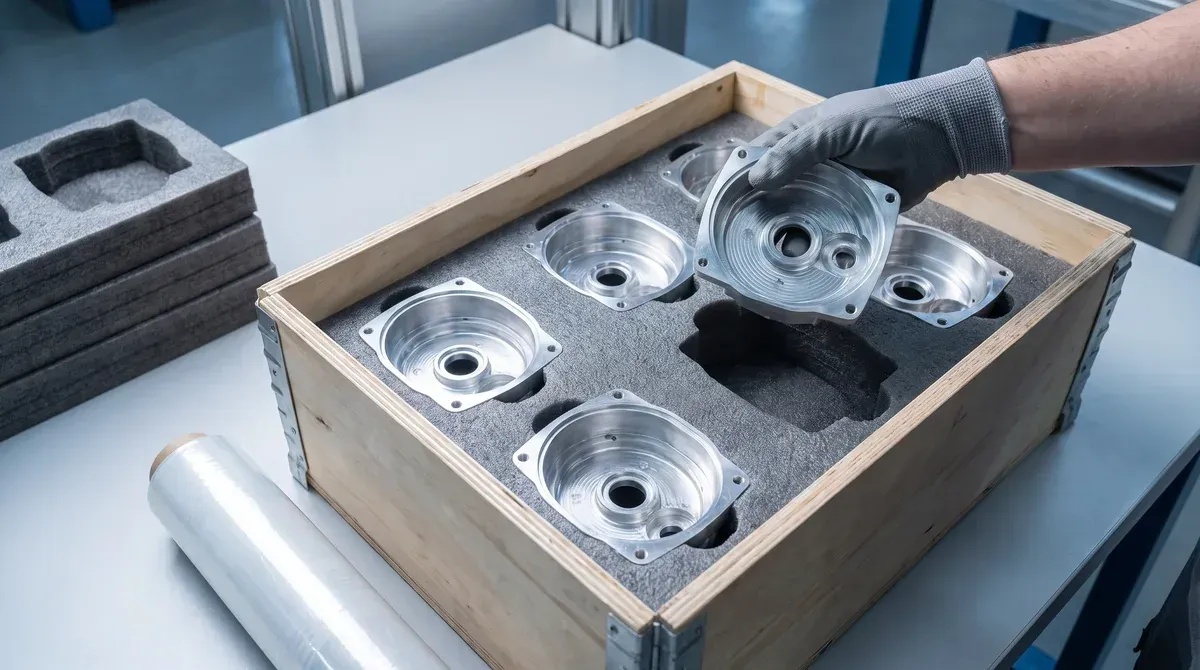
When machining and anodizing are split between two vendors, the part is measured by two companies at two different stages, and the drawing usually describes only the finished, coated part. So when a coated bore or thread comes back out of tolerance, each shop can show it did its own half correctly, and no one owns the part. Standard Machine and Manufacturing closes that gap by machining and anodizing aluminum parts in one building in Greenville, Kentucky, so one company answers for the finished part.
It is one of the most familiar arguments in metal finishing. A part comes back from the anodizer oversized. The machine shop says the coating did it. The anodizer says the coating is on spec and the part must have arrived that way.
That argument is the real case for buying machining and anodizing services from one shop. It is less about convenience than about who owns the part when something goes wrong.
The CNC machining for aluminum parts is the same work either way. What changes is how many companies touch the part before it is finished, and how many of them have to agree on what happened to it.
Sending a print with a finish callout? Start your RFQ.
How the Argument Starts
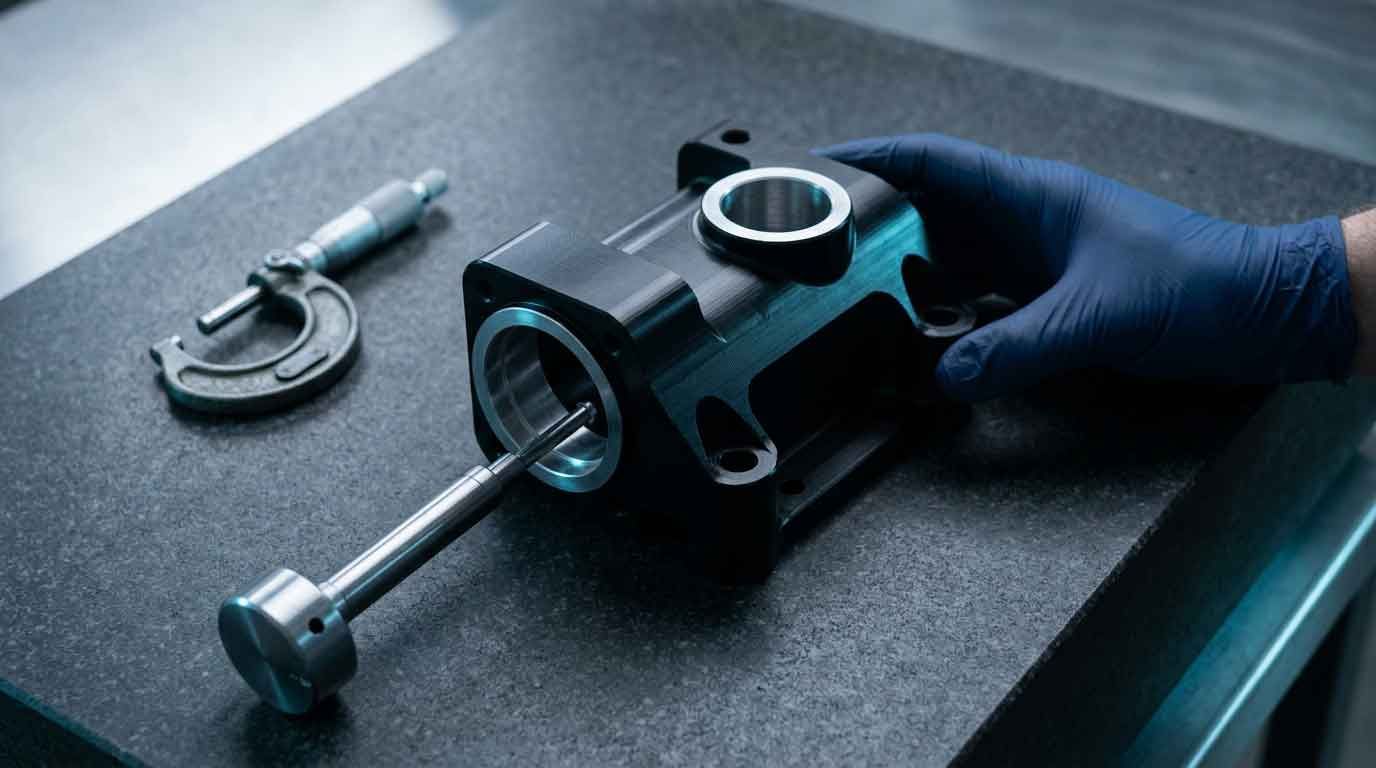
Anodizing does not sit on top of the metal. It grows out of the aluminum, partly into the surface and partly out of it, so a coated part is a little bigger on the outside and a little smaller in its holes than it was bare. We walked through that arithmetic in how anodizing changes part dimensions.
The anodizing specification, MIL-PRF-8625, says anodizing comes after all machining. It also leaves the allowance for that growth to whoever machines the part. So the machinist cuts room for a coating it will never apply, and the anodizer applies a coating to a part it did not cut. The coating has its own tolerance band, too.
Each shop can work inside its own limits and the part can still miss. When it does, here is what each side can say, truthfully:
- The machine shop: the part measured in tolerance when it left.
- The anodizer: the coating thickness came in on spec.
- The buyer: the part does not fit.
All three can be true at once. That is what makes it an argument instead of a fix.
The paperwork splits the same way. The machining records come from one company and the finish certification from another, each describing the part at a different stage, and the buyer is left to line them up. One company doing both means one set of inspection records for the finished part.
Why It Is Hard to Settle After the Fact
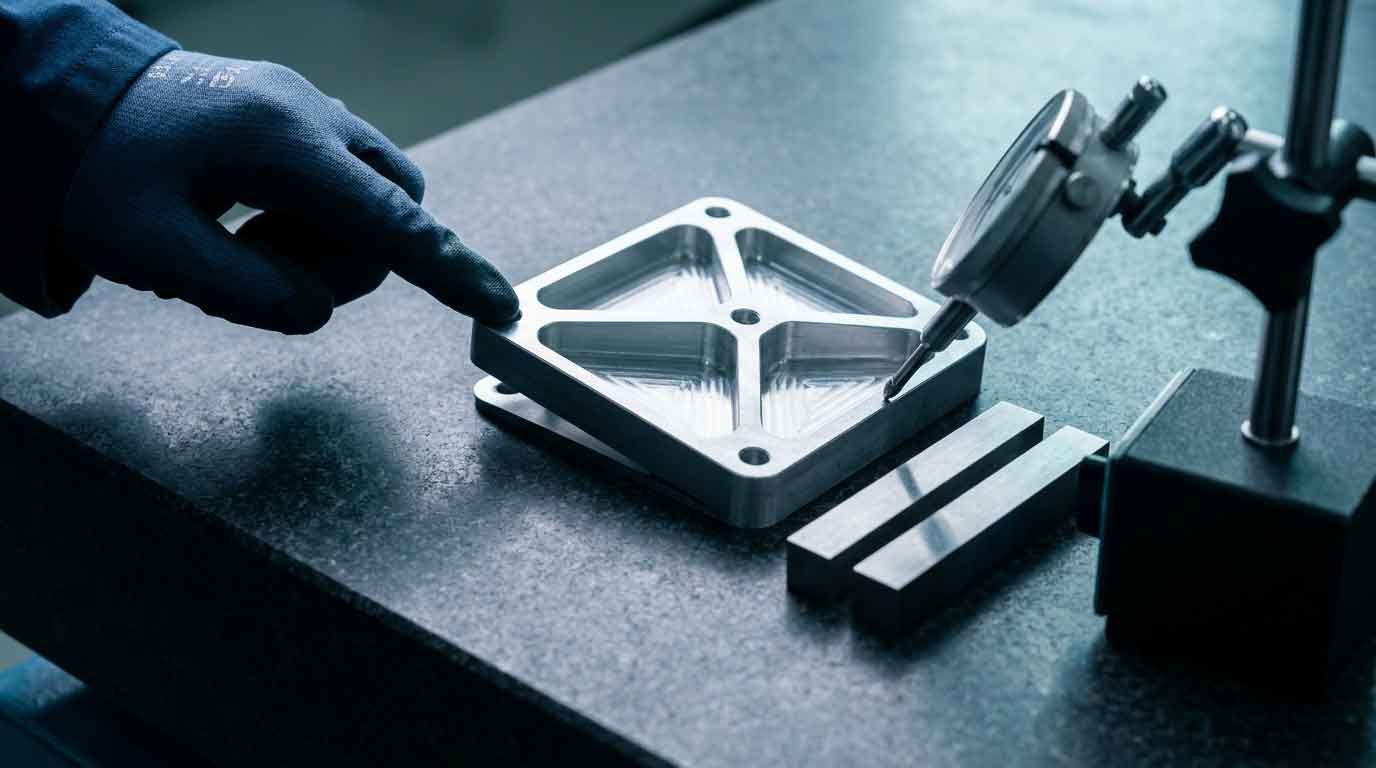
Once a part is coated, its bare size cannot simply be measured again. Part of the original surface has turned into coating. So the one measurement that would settle the question, the size of the feature just before it went in the tank, either was taken at the other company or was not taken at all.
Then the replacement starts. New material, the part machined again, another trip to the anodizer, another wait in its queue. And somewhere in that loop is a second conversation about who pays for the scrap.
Dimensions are the common fight, not the only one. A split job has a few other seams where problems tend to collect:
- Contact marks. Every anodized part touches a rack somewhere, and that spot stays bare. The specification allows it, but where the mark lands has to be agreed before the run. A bare spot on the wrong face can turn a good part into a reject.
- Masking. A feature that has to stay bare only stays bare if the anodizer knows about it. That depends on what made it from the drawing onto the finishing purchase order.
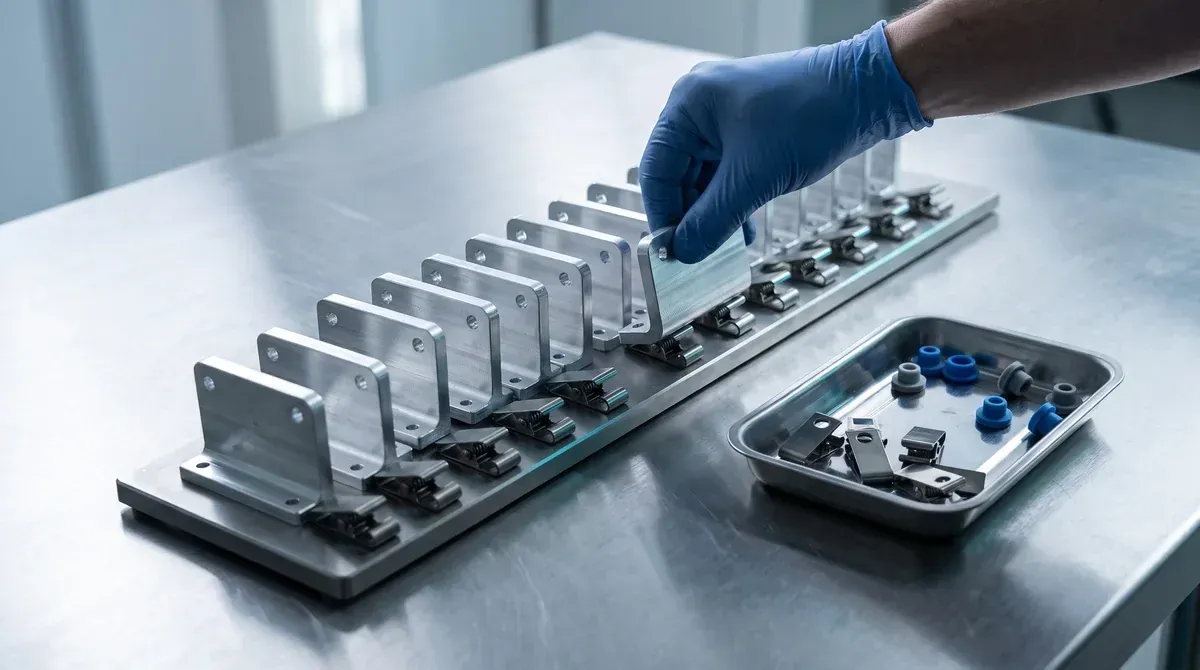
- Handling. Freshly machined parts ride in a truck, uncoated, between the two shops.
- Flow-down. On defense and aerospace work, the prime's requirements have to be passed down again to the outside finisher, on every order.
None of these is exotic. Each one is a hand-off, and each hand-off is a place where one company assumed the other had it covered.
What Changes When One Company Owns Both Halves
The work does not change. The ownership does.
At Standard, the parts are machined on our floor and anodized on our own line, through Standard's anodizing division, BluArc. That moves each of the seams above inside one company:
- The allowance and the coating are decided by the same shop, before the part is programmed, so the growth is planned for rather than discovered.
- Contact points and masked features are picked while the part is still a drawing, by the people who will rack it.
- The part stays in one building from raw plate to finished surface.
- There is one supplier to qualify, and one company for a prime's requirements to flow down to.
- If a coated feature misses, there is one call to make, to the company that did both halves, and the fix starts on the floor rather than in an exchange of emails.
That last one matters most. A buyer with one supplier never has to work out which supplier caused the problem.
The Straight Answer
Does buying both from one shop mean a part never comes back wrong?
No. Parts can still be rejected, and a coated feature can still miss. What changes is that the reject belongs to one company, the one that did both the machining and the finish, and the question of whose fault it is does not come up. The only question left is how fast the part gets fixed.
Questions Buyers Ask About Splitting the Work
Who Is Responsible for Growth From Anodizing?
The machinist. MIL-PRF-8625 has anodizing follow all machining and leaves the allowance for coating growth to whoever machines the part. When one company does both, the allowance and the coating that fills it are the same company's responsibility.
Should All Machining Be Finished Before Anodizing?
Yes. The specification calls for anodizing after machining, heat treatment, welding and forming. Machining a coated surface cuts through the coating, so the machining is finished first and the part goes in the tank once.
Keeping a Split Job From Turning Into an Argument
When a job has to stay with two shops, the fix is to settle the questions before the first cut instead of after the first reject. That means the full finish callout on the print (the specification, the type, the class, the thickness on Type III, and any features that stay bare), and both shops agreeing on the allowance and the contact points before anything is machined.
When the job can move, the simpler fix is one quote for the machining and the finish together, from a shop that does both.
How Standard Machine and Manufacturing Can Help
Standard Machine and Manufacturing machines aluminum parts and anodizes them on its own line, in one building in Greenville, Kentucky, and quotes the part as one job from raw plate to finished surface. Start a project with us by starting your RFQ or reaching out directly. Call us at (270) 820-7009.
Ask a Question
Not ready for a full RFQ? Send the question and we will come back to you.
What Happens Next
- It goes to a person here, not to an autoresponder
- Answered by somebody who does the work
- A response within one business day
Already Have A Print?
If you have a drawing and a quantity, skip the question form. The RFQ form asks the things a quote actually needs and it takes about four minutes.
Or Just Call
270.377.7172The line answers to machining or to BluArc anodizing, so say which one you are after and it goes straight there.
Latest Posts